
Cholesterol Management Resources
Explore comprehensive guides, dietary strategies, and educational content designed to help you understand and manage cholesterol levels through evidence-based nutrition approaches.
The information on this site is for educational purposes only and does not constitute medical advice. Always consult a qualified healthcare professional before making health decisions.
Browse by Category
Filter our content to find exactly what you need
The Complete Guide to Understanding LDL and HDL Cholesterol
Discover the essential differences between "bad" LDL cholesterol and "good" HDL cholesterol. This comprehensive guide breaks down cholesterol science into practical knowledge you can use immediately. Learn how dietary choices directly impact your cholesterol profiles and what your numbers really mean for your health.
Explore evidence-based dietary interventions, including the role of fiber, plant sterols, and unsaturated fats in managing cholesterol levels naturally through nutrition.
Read Full Article
Resource Library
Access our curated collection of articles, guides, and educational materials on cholesterol management through diet

Top 15 Heart-Healthy Foods to Lower Cholesterol
Detailed breakdown of the most effective foods for cholesterol management. Includes whole grains, fatty fish rich in omega-3s, nuts, seeds, leafy greens, and plant-based proteins. Learn which foods contain sterols and stanols that naturally reduce LDL cholesterol.
Learn More
7-Day Cholesterol-Friendly Meal Plan
A complete week of balanced meals designed to support healthy cholesterol levels. Includes breakfast, lunch, dinner, and snack ideas with preparation tips. All recipes emphasize soluble fiber, lean proteins, and healthy fats while limiting saturated fat intake.
View Plan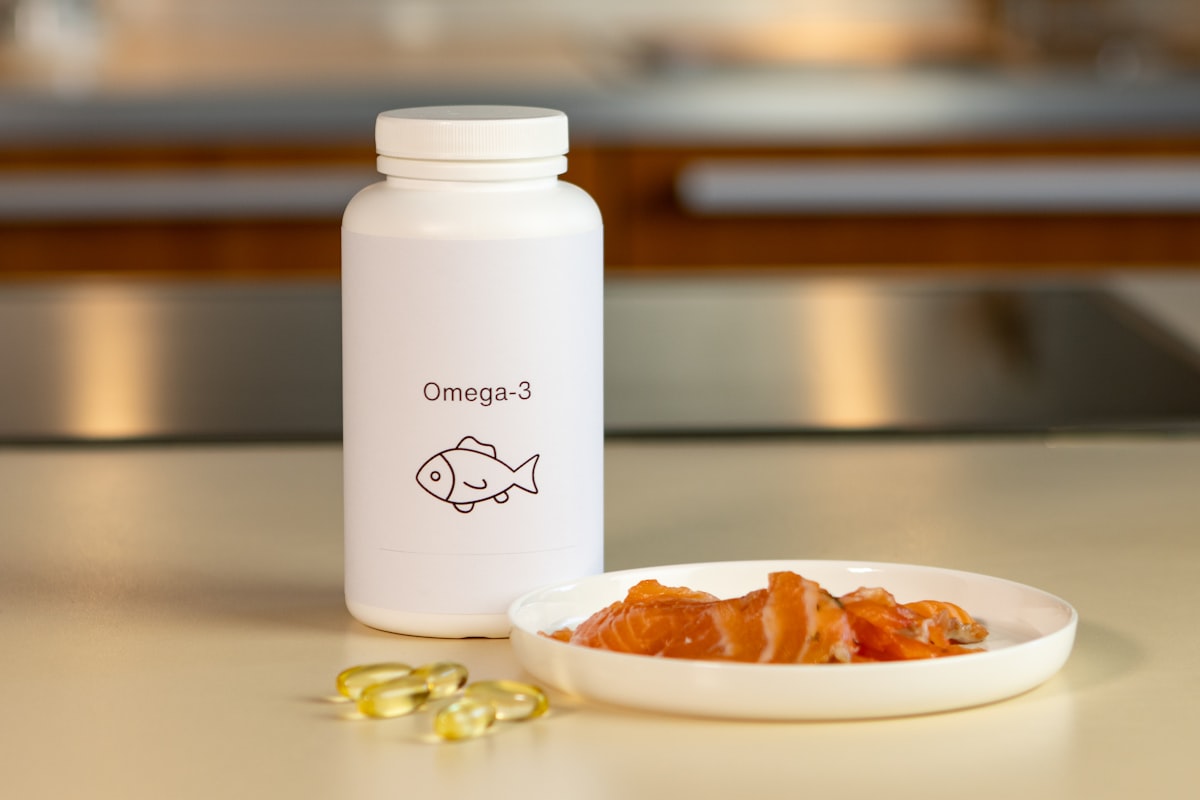
Essential Pantry Staples for Cholesterol Management
A complete shopping list of ingredients that support healthy cholesterol levels. Covers grains, legumes, oils, nuts, dried fruits, and spices that should be staples in your kitchen. Includes information on reading nutrition labels and identifying cholesterol-friendly options.
Get List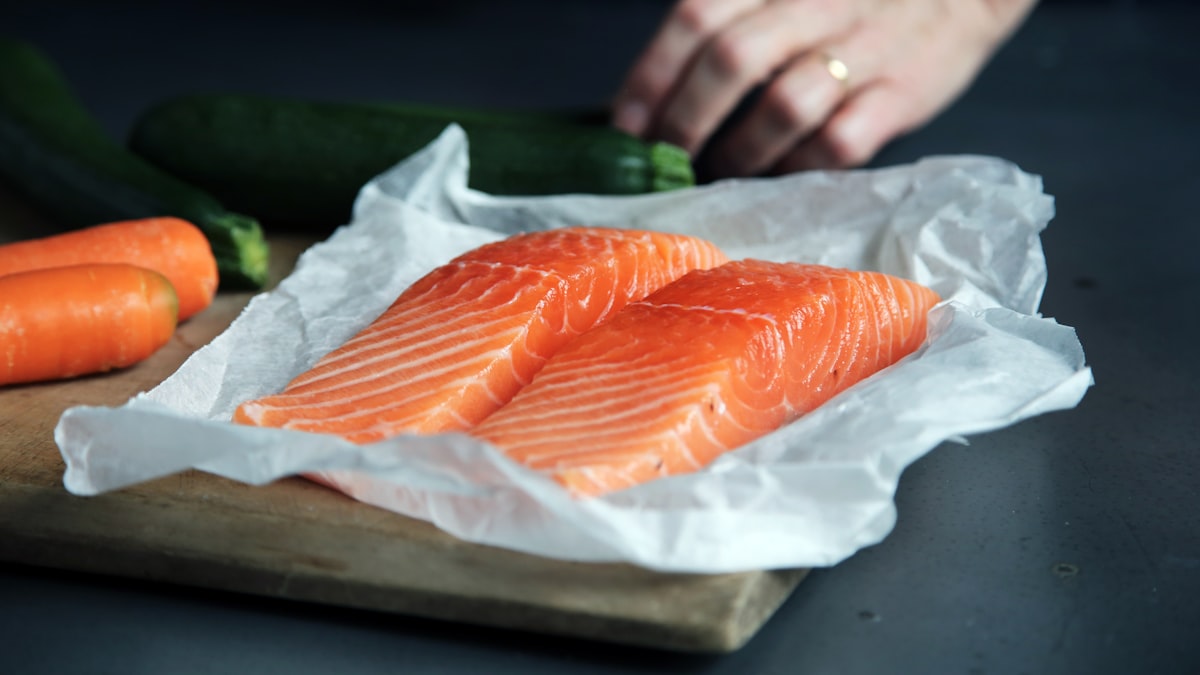
How Exercise and Physical Activity Lower Cholesterol
Comprehensive guide on how regular physical activity improves cholesterol profiles. Explores aerobic exercise, strength training, and daily movement patterns. Learn how different types of exercise affect HDL and LDL levels, and get practical recommendations for activity levels.
Read More
How to Read Labels: Finding Low-Cholesterol Products
Master the skill of reading nutrition labels to identify foods that support healthy cholesterol levels. Learn to identify saturated fat, trans fat, dietary fiber, and plant sterols on product packaging. Includes practical tips for comparing products and making informed choices at the grocery store.
Learn Skills
Healthy Cooking Methods That Preserve Nutrients
Discover cooking techniques that prepare cholesterol-friendly foods while maintaining their nutritional value. Covers steaming, baking, grilling, and stir-frying with minimal oil. Learn which cooking methods to avoid and how to adapt traditional recipes for better heart health outcomes.
Explore Methods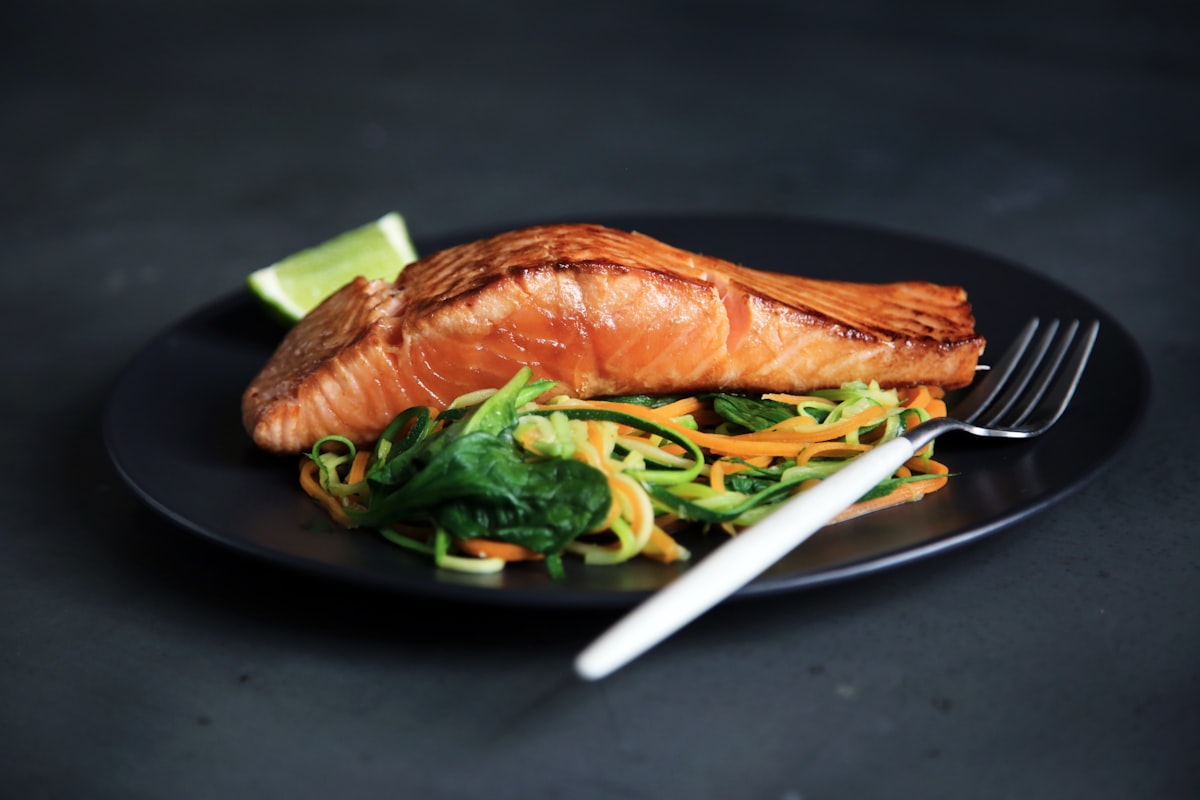
Evidence-Based Dietary Approaches: DASH and Mediterranean
In-depth exploration of two scientifically-supported eating patterns for cholesterol management. Compares the DASH diet and Mediterranean diet in terms of effectiveness, sustainability, and flexibility. Learn the principles behind each approach and how to implement them in your daily life.
Compare Diets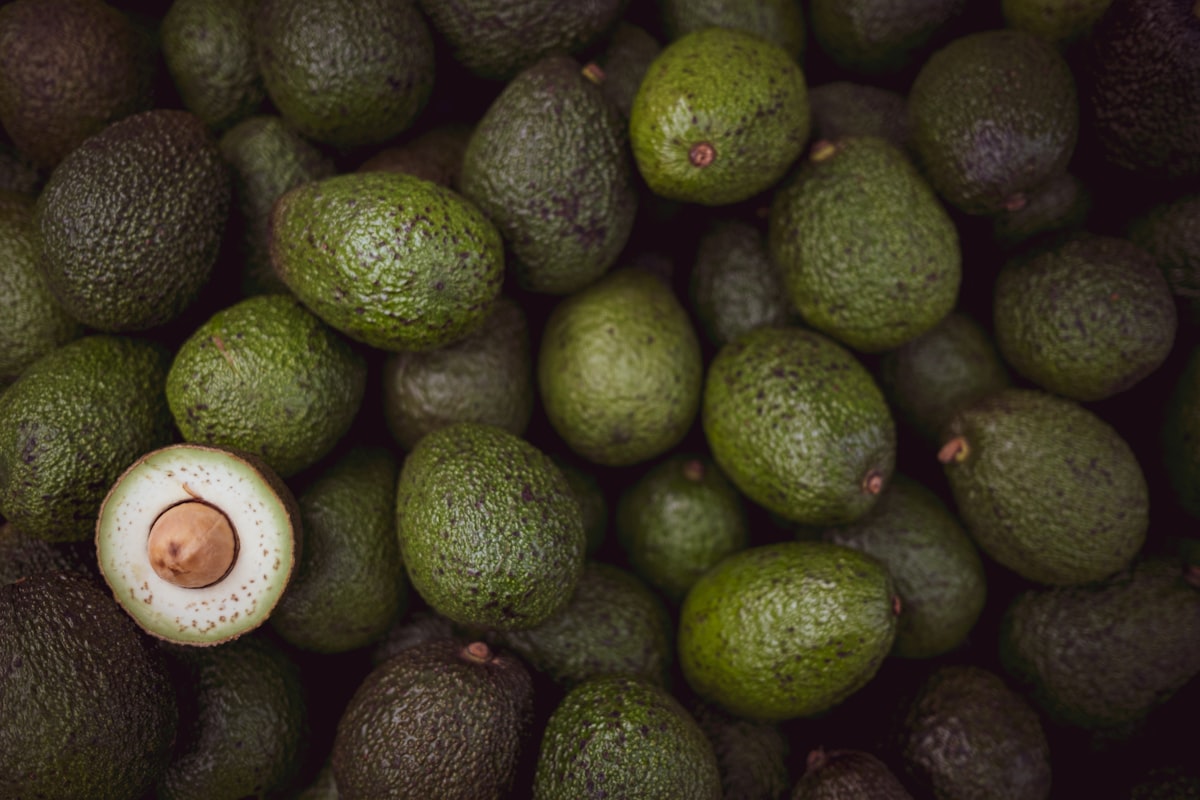
Plant-Based Foods and Natural Compounds for Cholesterol
Educational overview of plant compounds like plant stanols, soluble fiber (beta-glucan), and polyphenols that research suggests support cholesterol management. Covers food sources, recommended intakes, and scientific evidence. Emphasizes the importance of whole-food sources over isolated products.
Explore FoodsFrequently Asked Questions
Find answers to common questions about cholesterol management through diet
How quickly can dietary changes affect cholesterol levels?
Research shows that dietary changes can begin affecting cholesterol levels within two to three weeks of consistent implementation. More significant improvements typically emerge within six to eight weeks. The timeline varies based on individual metabolism, the extent of dietary changes made, current fitness levels, and genetic factors. Consistency matters more than perfection in achieving sustainable results.
Are all fats bad for cholesterol management?
No—healthy fats are essential for cholesterol management. Unsaturated fats from sources like olive oil, avocados, nuts, and fatty fish actually support healthy cholesterol profiles. The key distinction is between saturated fats (which can raise LDL cholesterol) and trans fats (which should be avoided). Monounsaturated and polyunsaturated fats, particularly omega-3 fatty acids, are beneficial for your cholesterol levels.
What role does fiber play in cholesterol management?
Soluble fiber is particularly effective at lowering LDL cholesterol. It binds to cholesterol particles in the digestive system, helping your body eliminate them before absorption. Good sources include oats, barley, beans, legumes, apples, and vegetables. Studies suggest consuming 7-10 grams of soluble fiber daily can produce meaningful reductions in LDL cholesterol levels. Insoluble fiber also supports overall digestive and cardiovascular health.
How important is exercise alongside dietary changes?
Exercise is highly valuable for cholesterol management and cardiovascular health. Regular physical activity can raise HDL cholesterol (the protective type) and help lower triglycerides. The combination of dietary improvements and consistent exercise produces better results than either approach alone. Most guidelines recommend at least 150 minutes of moderate aerobic activity weekly, plus strength training, for optimal cholesterol and overall health outcomes.
Can dietary changes alone address all cholesterol concerns?
Dietary modifications can significantly influence cholesterol levels for many people. However, genetics play an important role in cholesterol production, and some individuals may require additional approaches beyond nutrition. This is why consultation with healthcare professionals is valuable—they can assess your individual situation and determine what combination of strategies works best for your specific circumstances and health profile.
What about plant-based and vegetarian approaches to cholesterol?
Plant-based and vegetarian diets are often associated with lower cholesterol levels when planned well. These diets eliminate dietary cholesterol from animal products and tend to be higher in fiber, antioxidants, and healthy plant compounds. Key to success is ensuring adequate protein intake through legumes, nuts, seeds, and whole grains, plus getting sufficient vitamin B12 and omega-3 fatty acids from fortified foods or appropriate sources.
Stay Informed on Cholesterol Management
Subscribe to receive our latest articles, research summaries, and dietary tips delivered to your inbox.
We respect your privacy. Unsubscribe at any time.
Ready to Take Control of Your Cholesterol?
Start your journey toward better cholesterol management today. Our comprehensive resource library provides the knowledge and practical guidance you need to make informed dietary choices that support your cardiovascular health.